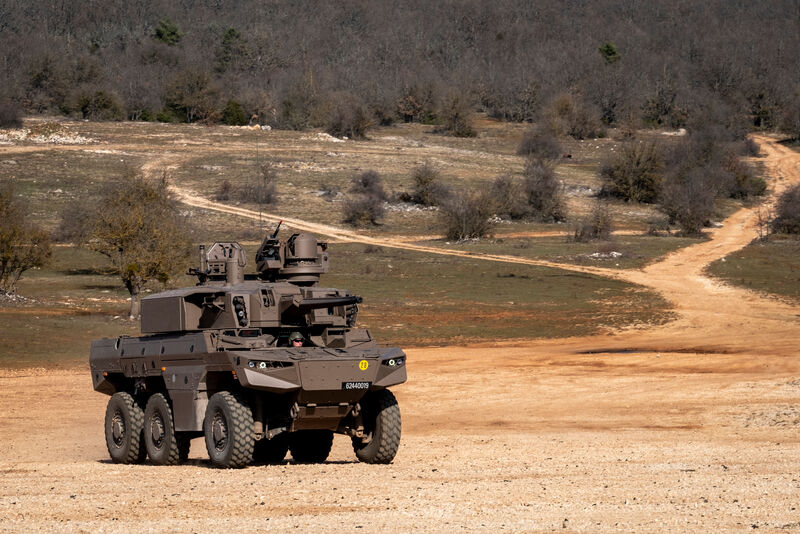
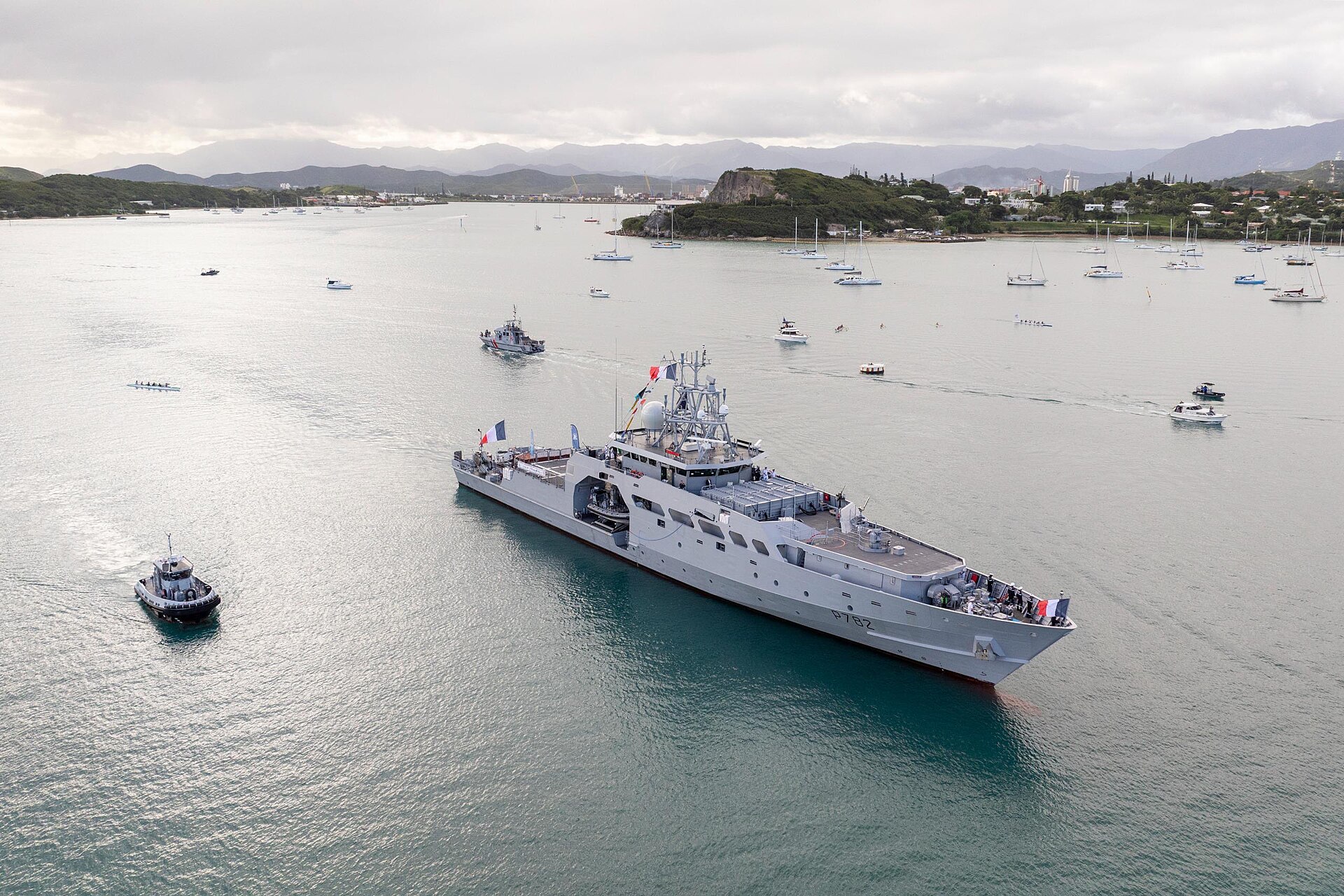
Whereas the future of NATO is still being debated, at least by researchers and the academic world, the organisation itself is risking its reputation and credibility in Afghanistan. From the Canadian national point of view, this raises a number of questions with respect to its Armed Forces and political leaders: ageing equipment; the part NATO plays in Canadian diplomacy or even its room for manoeuvre vis-à-vis its long-term ally, the United States. The Afghan issue has become the primary concern of the minority government of Stephen Harper in a political climate troubled with rumours of early legislative elections and the loss of Canadian lives.
Canada within NATO — What Assets and for What Influence?
For the first time in its history, Canada in 1949 joined a military alliance during a time of peace. Canadian defence policy with respect to the Alliance has been ambivalent, being sometimes strongly involved and sometimes reticent, particularly in relation to the state of its relations with its large southern neighbour. Canadian military forces have crossed the Atlantic Ocean in one direction and then the other, according to the relationship of forces between the two blocs. Thus, during the early years of the Alliance the Canadian contribution comprised an army brigade of 6,700 men, an air force division of 12 squadrons (about 300 aircraft) permanently based in France and Germany, as well as some 40 warships. Beginning in the 1970s, the complete withdrawal from Europe was completed in July 1993.
The position of NATO, within both Canadian defence and foreign policy, can only be seen by looking at the importance Canada placed on wishing to defend its position, by following the path of multilateralism as a medium-power state, which resulted from the outcome of the Second World War. Unanimity being the rule within the Alliance, this politico-military structure conceived in Ottawa ‘not solely as a pillar [of its defence], but as a political, economic and psychological supplementary support . . . It also constituted a priceless occasion for Canada to play an international role conforming to its new ambitions.'(1) The end of the Cold War, which resulted in a divestment in the field of defence, but above all the economic crisis across the country during the 1990s, were the reasons for the curbing of the ambitions of Canada and medium-level powers in multilateral actions.(2)
Since then, Canada has continually supported the enlargement and transformation of NATO, and has tried to play an active but limited role.
Il reste 89 % de l'article à lire