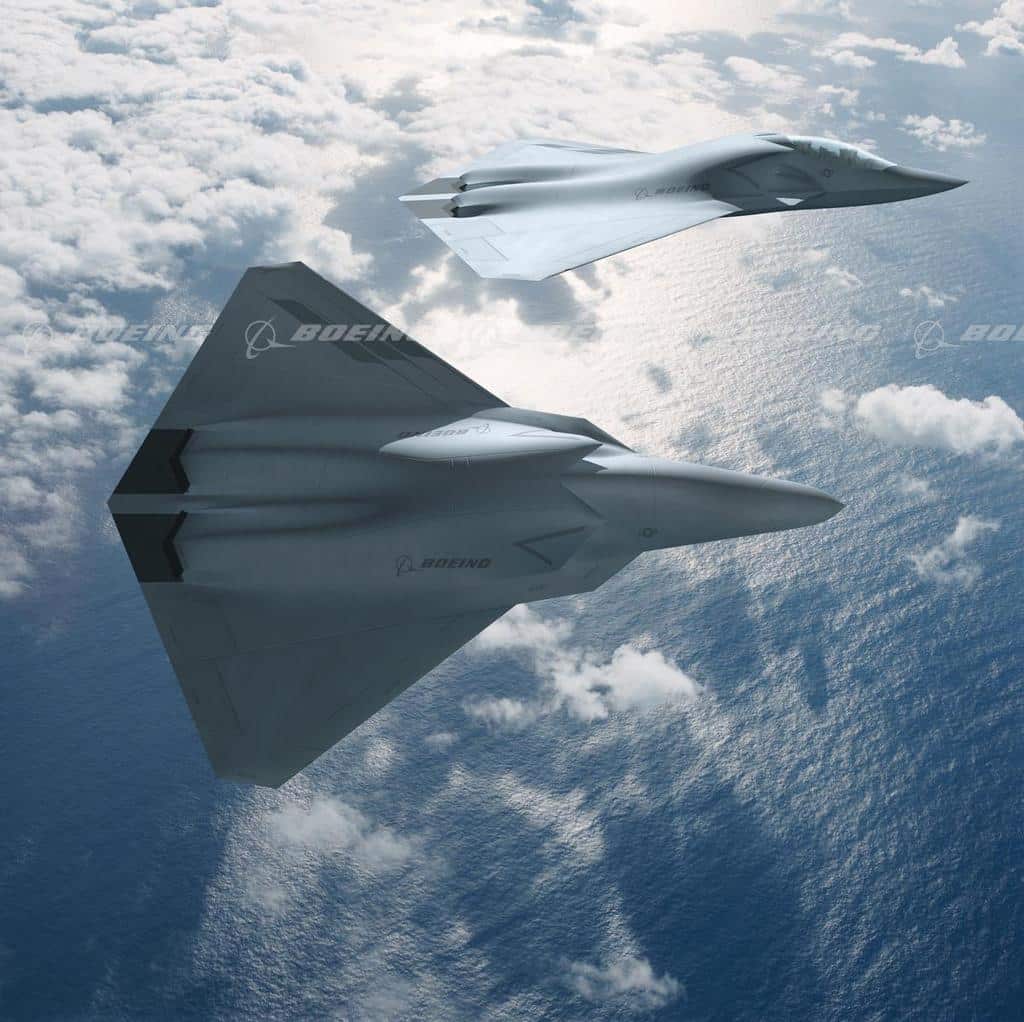
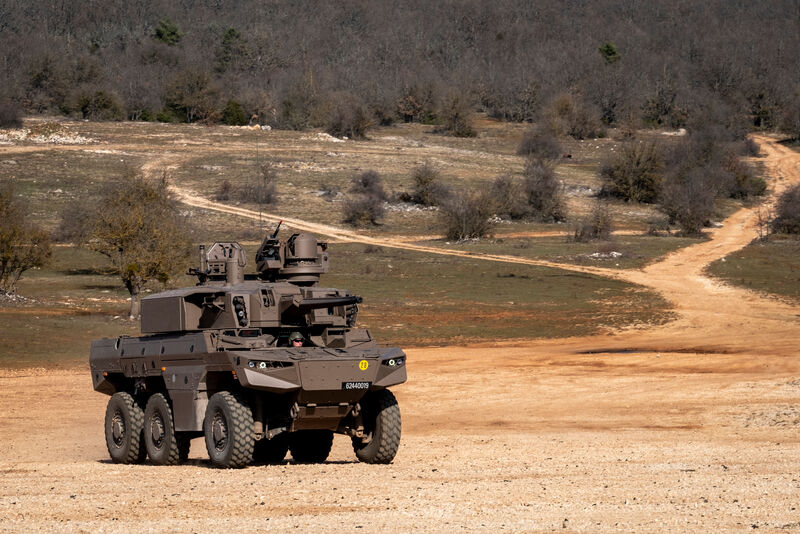
Air forces are gradually adapting to the non-conventional characteristics of the ‘new’ or ‘asymmetric’ conflicts. An essential component of any joint force, air power is optimised to engage high-value targets, including weapons of mass destruction, with great precision. Its qualities of endurance and ubiquity in surveillance and precision strikes help support surface forces against adversaries using collective paramilitary violence (guerrilla warfare) or in small groups (terrorism), often in restrictive urban terrain. Its effects will therefore consist in disarming paramilitary organisations making use of geographically identifiable networks and reducing the freedom of movement of terrorists, as part of an overall strategy of fighting terrorism.
Air-Power and Non-Conventional Operations
Contemporary and foreseeable armed conflicts feature particular characteristics to which air forces, like the other services, have had to adapt progressively. They are often internal to societies, although the last decade has seen three major exceptions with the first Gulf War, the 1999 campaign against the Republic of Serbia and, more recently, Iraq. The participants involved were entities organised in a different way to states, using non-conventional forms of collective violence. The populations themselves became the first victims of operations, but could also become a source of insurrectional violence, especially in towns and built-up areas, which constitute the main environment for conflict and civil war.
During the same period, most Western defence equipment was organised for external intervention, covering the whole spectrum of operations from conventional peacekeeping operations to coercive joint service campaigns against a designated adversary. In this respect, the development of air power was no different.(1) However, it suffered many criticisms relating to what was seen by many commentators as a loss of effectiveness when faced by non-conventional adversaries who, by taking an asymmetric approach to operations, kept the initiative and took the moral, if not physical, ascendancy over the intervention forces. In this respect, the Israeli air campaign in Lebanon illustrates these criticisms, aimed just as much at the results (e.g. collateral damage with the bombardment of Cana) as at the rationality of its use. Hezbollah did not give up the captured Israeli soldiers or suspend its rearmament with missiles and rockets.(2) These criticisms were not new. They were levelled against air campaigns in the last century. However, they take on renewed force in the case of asymmetric conflicts, in which technological superiority has little effect when it comes up against irregular combatants operating in towns and among the population.
Certainly, current conditions of engagement are no longer those for which the vast air fleets of the Second World War and the Cold War were assembled. This does not mean that air power has no place in the ‘new conflicts’. Its role is changing, as are its missions.
Il reste 85 % de l'article à lire



.jpg)