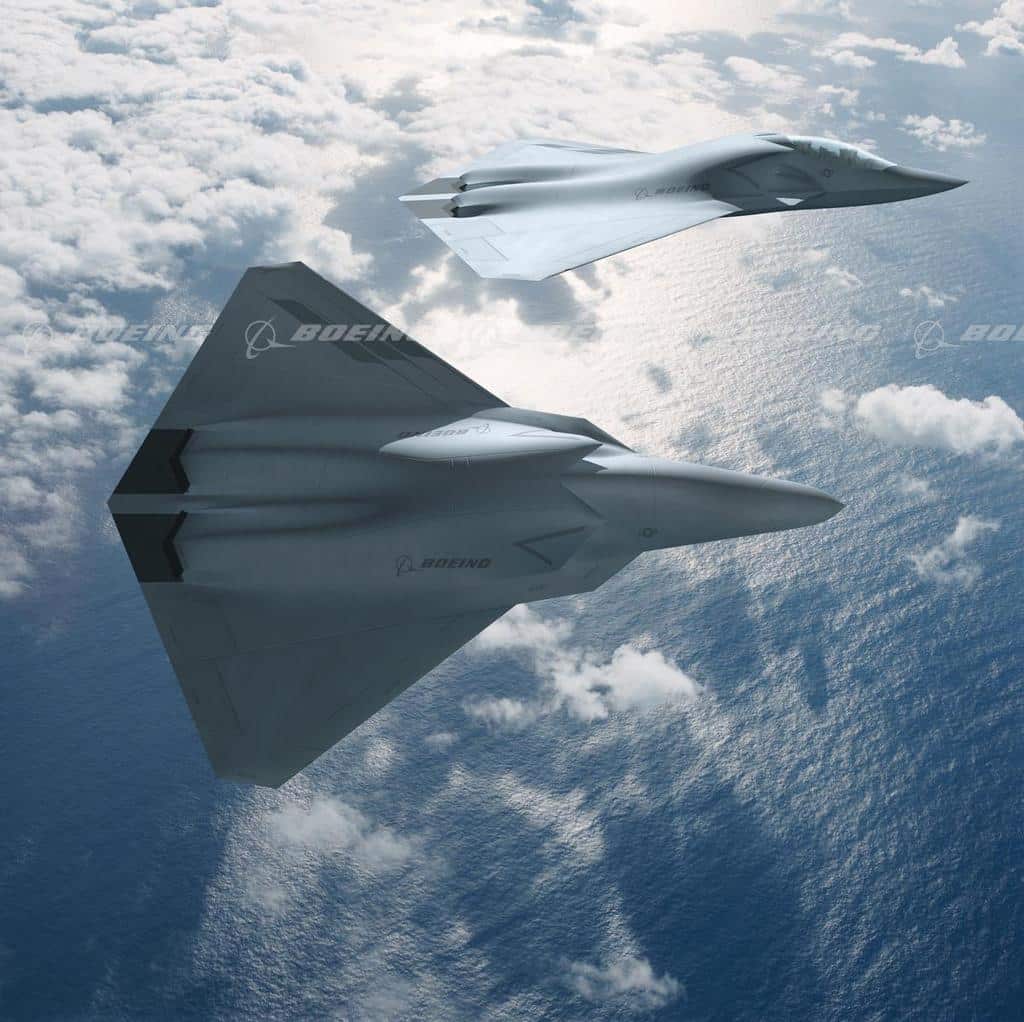
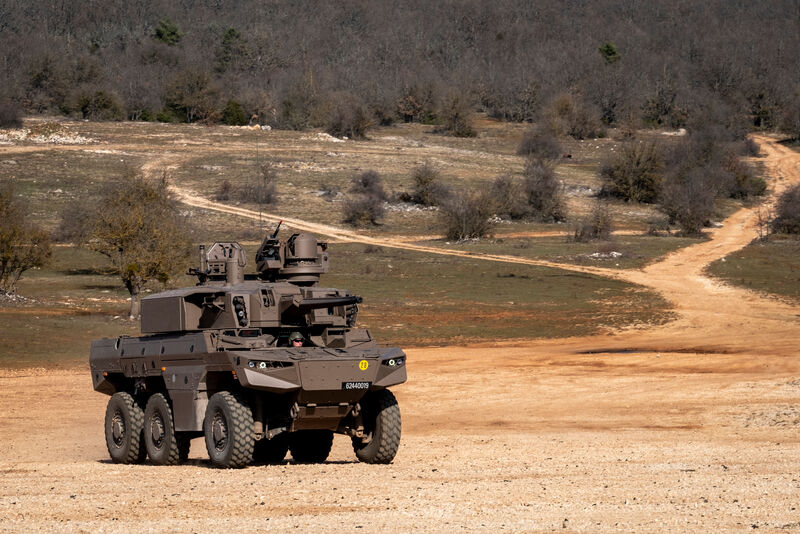
Whatever the outcome of the defence White Paper now under discussion, the State cannot avoid a fundamental review of its current procurement methods, which are the source of profound inequalities in the nation’s defence technological and industrial base (DTIB).
French Defence Procurement Methods
France has long possessed some of the most effective, best equipped and best trained armed forces in the world. They currently use a very wide range of defence equipment supplied by a defence technological and industrial base of the highest order, including modern combat aircraft produced by Dassault, high-quality armoured vehicles by Nexter, an all-purpose fleet with submarines and two naval-air groups supplied by Direction des Constructions Navales (DCN) and missiles from the well-known manufacturer Matra. Additionally, the country possesses a full nuclear arsenal—a result of the policy of independence advocated by General de Gaulle.
In the light of the current geopolitical situation, how do we see our future defence organisation? What should be its aims and what budget should it be given in order to meet those aims effectively?
Once we have established the likely scenario for the next ten to fifteen years, we will need to decide whether we should abandon our independence in certain technologies. Should we leave some to other experts while we concentrate on those that seem to us essential for combating the threats identified in the scenario—always hoping, of course, that we make the right choice? In case we don’t, we need now to arrange guaranteed cooperation into the future with those countries that continue with the technologies we decide to abandon.
Il reste 92 % de l'article à lire


.jpg)