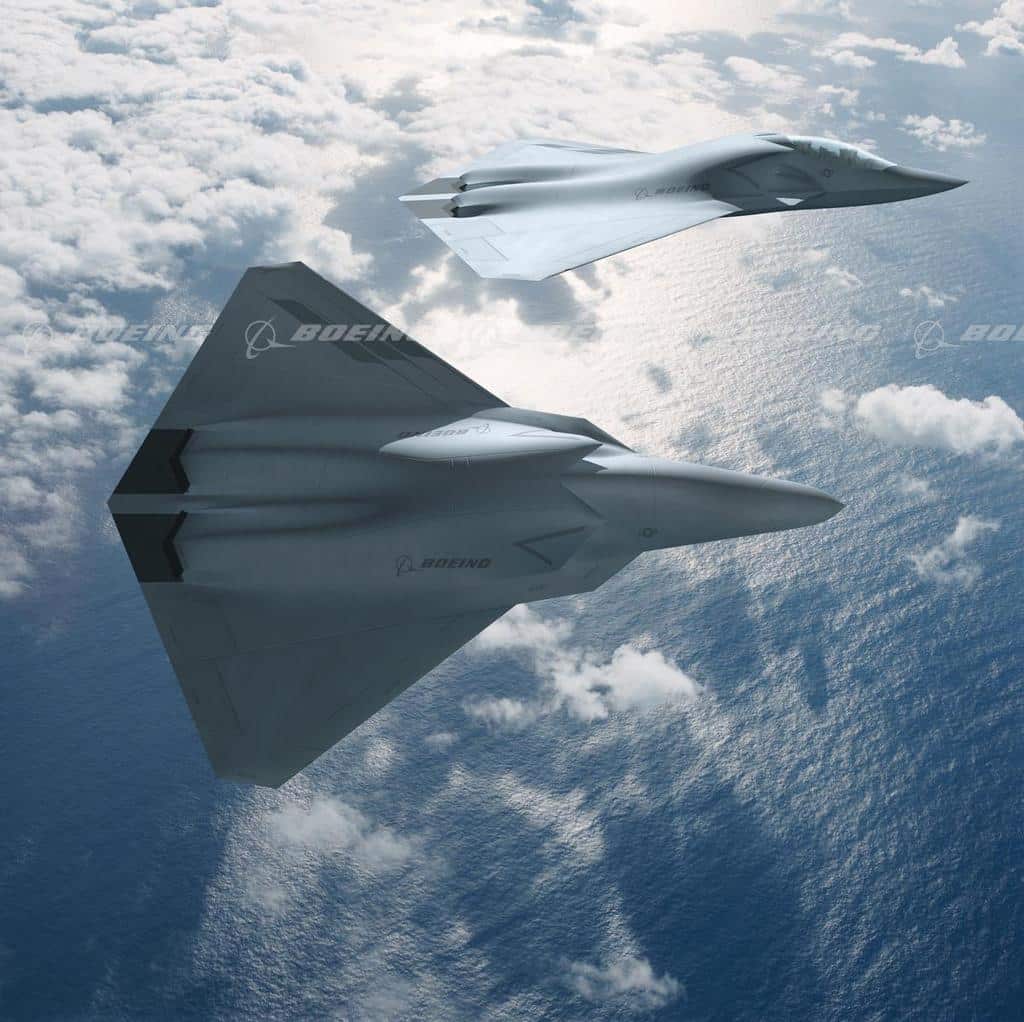
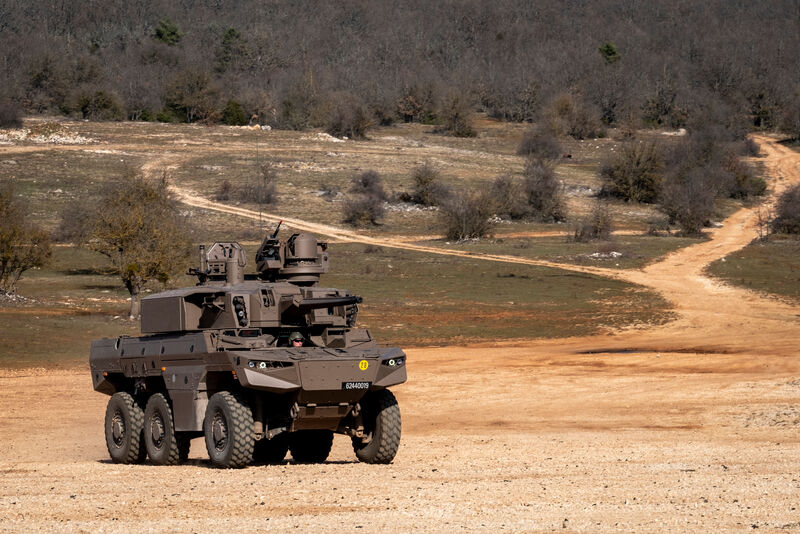
When it comes to foreign, security and defence policy, the European Union has up till now more often been a spectator than an actor. To acquire more clout in this area, it could already draw up a ‘European agenda’, setting out its priorities on the international stage: the Balkans, Russia, the Mediterranean and globalisation.
A European Foreign Policy Agenda
In a previous article in this journal(1) we set out the institutional innovations included in the new European Treaty that was later signed in Lisbon on 13 December 2007. In the key sector of foreign policy, security and defence, the so-called ‘second pillar’ has gone and core competence in these fields remains national. Common decisions will continue to require unanimity but member states have committed themselves to mutual support, with an obligation to general coordination of their national policies and to a reinforcement of the defence technological and industrial base, in particular through the European Defence Agency. The effectiveness of this coordination will be improved by the new institutions created by the Treaty: a full-time President of the European Council, a High Representative assisted by an EU diplomatic service, whose functions will combine those of Javier Solana and the Commissioner for External Relations, Benita Ferrero-Waldner, and finally a Foreign Affairs Committee, separate from the General Affairs Committee, which will be convened and presided over by the High Representative.
This is all very well, but we must actually make use of such political and legal structures if they are to have any real value. Since the new Treaty is not planned to come into force until the spring of 2009, the French presidency of the Union in the second half of 2008 could be used to open debate and to propose a number of distinct ways ahead that might be adopted and set in motion immediately afterwards.
After half a century of European construction, we are united to the extent that none of our states is able any longer to conduct independent diplomatic action, and yet we are not united enough to act together and carry any significant weight on the international scene. Although our space is common, this is not yet the case for the power that we wield, and so we are more often spectators than players, willing providers of funding rather than decision-makers and thus in the end more often the led than the leaders.
Il reste 87 % de l'article à lire

.jpg)