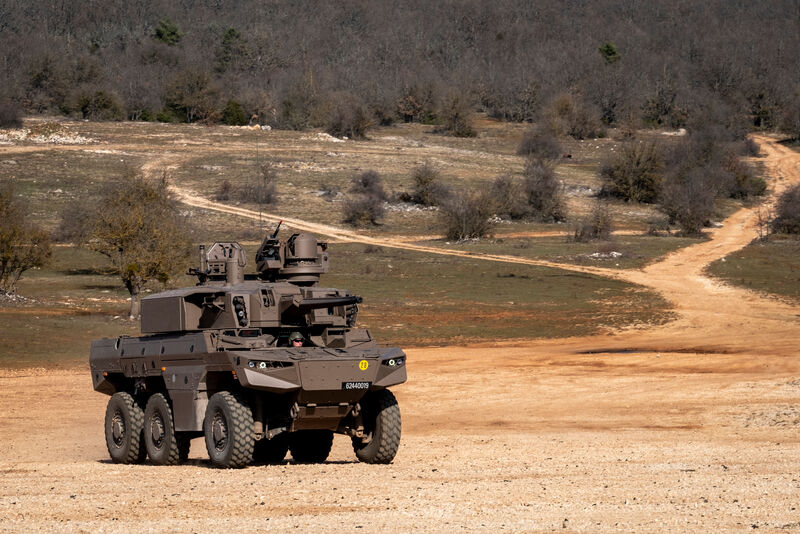
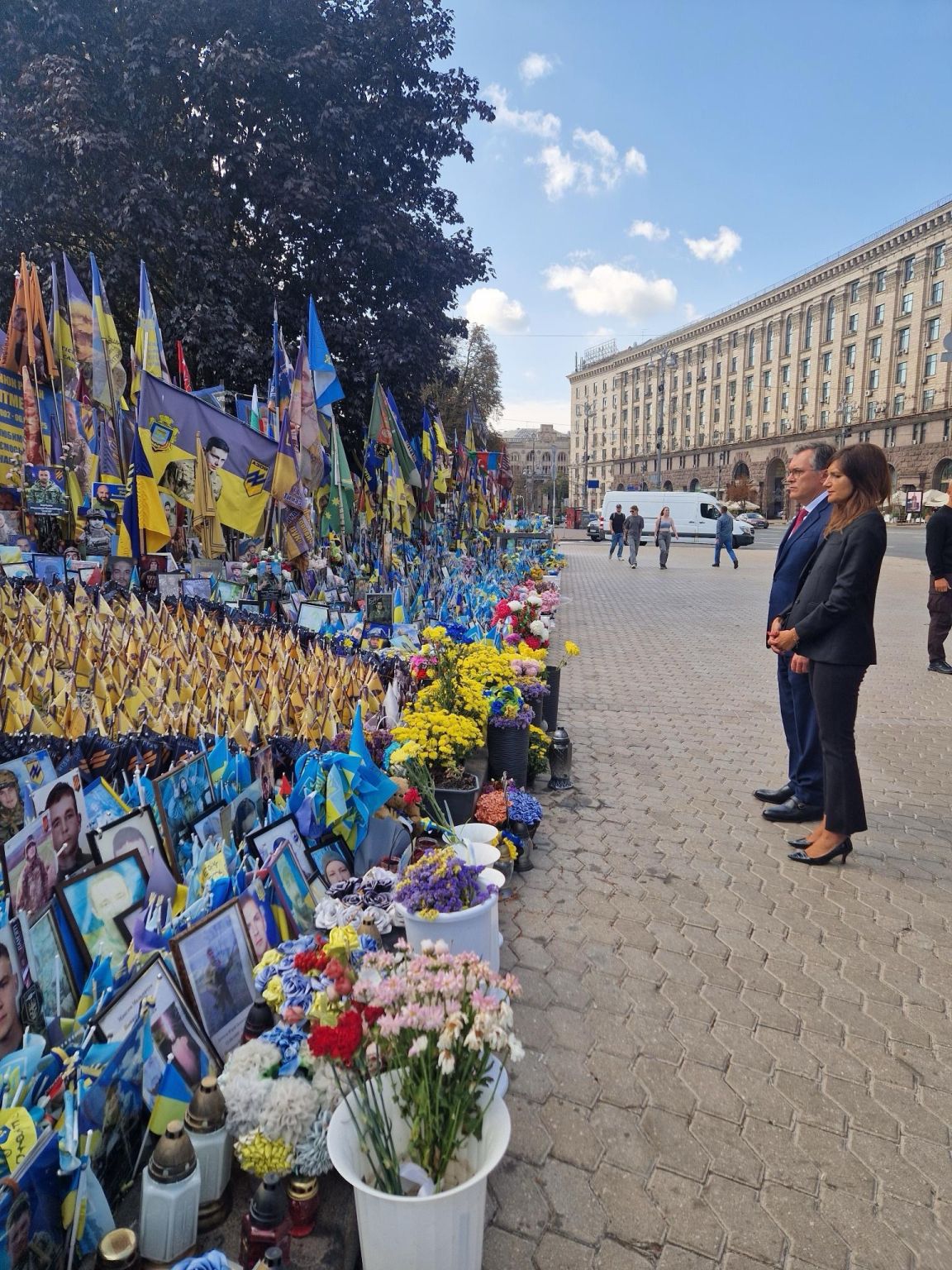
Because the media tend to confuse empathy for victims with the moral legitimacy of wars, the military - in particular the Americans - have had to contend with a less than sympathetic coverage of their deeds by journalists. In an age of mass media, the cult of ‘victimisation’ (such an awful word!) can have dire tactical and even strategic consequences. The indomitable need of moral infallibility that it demands has shaped our vision of war in an ideologically biased way. It is also the sign of a systematic defiance towards all forms of authority, even more so one that wears a uniform, and often against common sense. Information is then likely to become the core stake in a battle that takes over from a purely armed struggle.
War and the Logistics of Perception
‘From now on, the logistics of all-round perception is more important than aiming weapons along a front line, or rather along the non-existent front line that is characteristic of the
undeclared wars that are waged via video screens.’
Paul Virilio, Strategy of Deception
The ever more rapid appearance and adoption of new information and communication technologies is a major characteristic of our era. The Internet, Wi-Fi technology and the exponential growth of increasingly portable electronic systems have completely upset our perception of reality. We are living in an age of giant flat screens and satellite broadcasts that have, in a sense, totally flattened out the globe.
Il reste 95 % de l'article à lire